
The first week of October 2025 delivered a perfect encapsulation of the extreme volatility that defines investing in Tesla. On one hand, the electric vehicle giant announced record-shattering delivery numbers for the third quarter, a monumental operational achievement that defied the broader slowdown in the EV market. On the other, investors responded with a collective shrug, sending the company’s stock plummeting. This strange disconnect highlighted a fundamental truth: for Tesla, operational excellence is often overshadowed by the unpredictable shadow of its CEO, Elon Musk.

Tesla proudly reported a massive 497,099 vehicle deliveries for Q3, a figure that not only represented an all-time high but also decisively surpassed even the most optimistic forecasts on Wall Street. Analysts at Morgan Stanley, for instance, had pegged their highest expectation at 443,000 units. This operational victory should have translated into a market rally, yet the reverse occurred. Tesla shares (TSLA) closed down 4.5% on the subsequent trading day, demonstrating a paradoxical performance that left many market observers puzzled.
Why was a record-breaking success treated as a market failure? The answer, according to numerous financial experts, lies in the context surrounding the numbers. Many pointed to the fact that the surge was not purely organic but driven by an artificial market spike. American consumers rushed to secure their purchases before a lucrative $7,500 federal tax credit was set to expire on September 30.
"I believe this is merely a temporary boost, not a sign of genuine, sustainable resurgence for Tesla," commented Sam Abuelsamid, an analyst at Telemetry Insight. The sentiment among skeptics is that the company may have pulled demand forward, meaning the upcoming quarters could face a severe correction. Furthermore, while Tesla’s number was high, it was not an industry anomaly; competitor Rivian Automotive also reported sales rocketing by 32% during the same period. For many on Wall Street, including influential firms like JP Morgan, it was "too soon to declare Tesla is truly back on a sustainable growth trajectory," leading them to maintain cautious "Underweight" ratings on the stock.
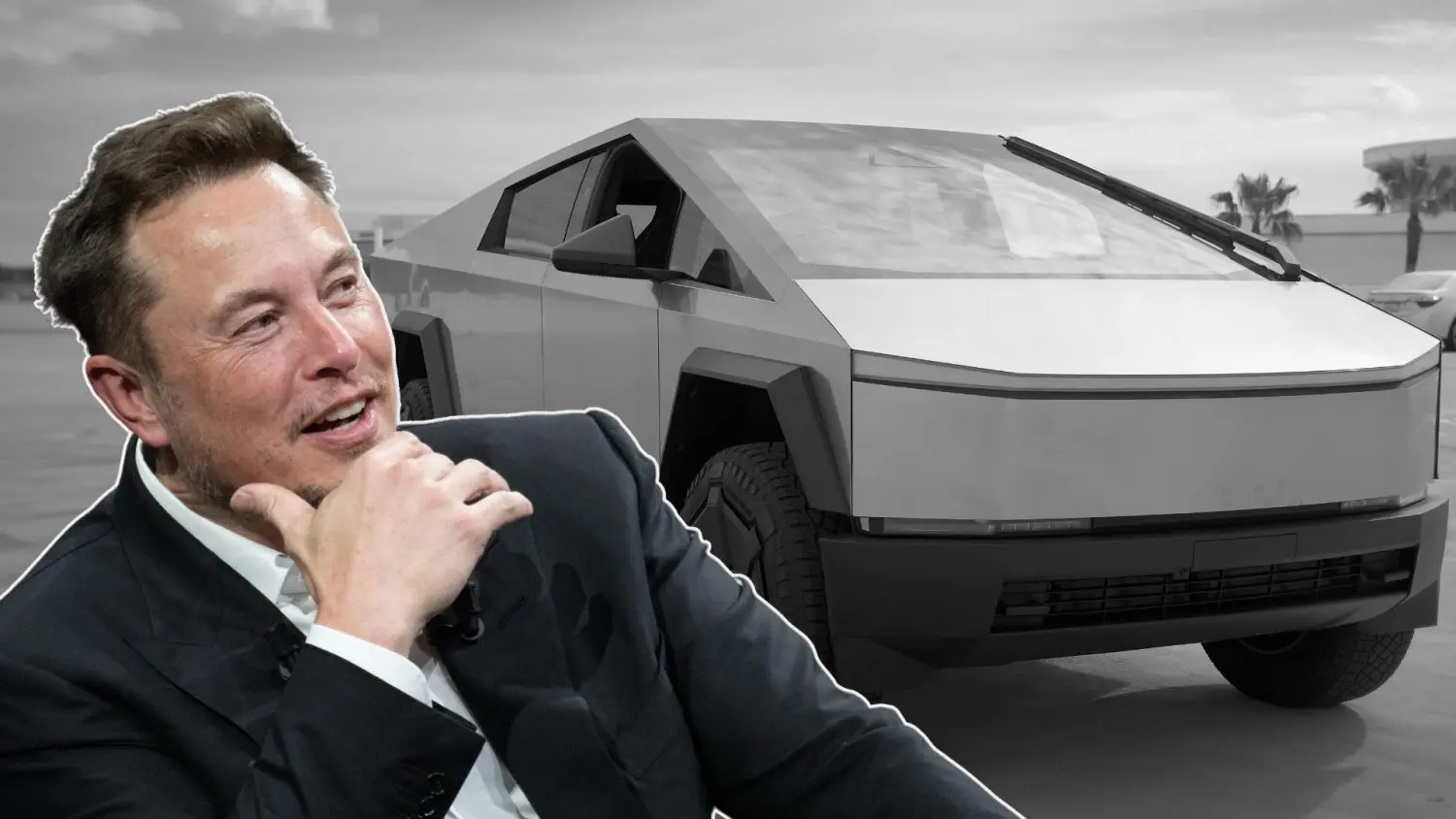
If the delivery surge was a short-term "sugar rush," then investor skepticism is rooted in a chronic ailment: The Elon Musk Factor. The billionaire has increasingly leveraged his platform, formerly used primarily for visionary technological announcements, to wade into polarizing socio-political and cultural debates. This transformation from a global technology icon into a deeply divisive public figure is now demonstrably impacting Tesla’s brand equity and, consequently, its financial valuation.
The most vivid example of this dynamic during the "crazy week" was Musk’s direct call for a corporate boycott. Taking to his platform X, he urged users to "Cancel Netflix for the sake of your children's health," following controversy surrounding a streaming cartoon featuring a transgender character. The result was immediate: Netflix’s stock temporarily shed nearly 5% of its value that week. While analysts predict Netflix will absorb the blow, the incident served as a potent, high-profile warning to Tesla investors: the CEO is willing to weaponize his colossal influence in culture wars, creating massive, unquantifiable risk for a premium, global brand.
This is not an isolated incident. Earlier in 2025, Musk’s political endorsements led to tangible business consequences, including up to 40% sales slumps in over 20 European nations, coupled with public protests. His shadow extends far beyond the boardroom, alienating a significant segment of the global customer base.

Amidst these self-inflicted market risks, Tesla’s board is attempting a drastic measure to ensure Musk’s focus remains on the company: a proposed, unprecedented pay package that could see the CEO earn up to $1 trillion if ambitious financial targets are met. This historical incentive is a desperate bid to "shackle" the temperamental genius to his creation.
However, compounding the risk profile are serious operational and legal headwinds. The company is facing a critical lawsuit over a fatal Cybertruck accident, where the victim's family alleges a flawed door handle design prevented the trapped teenager from escaping a burning vehicle. This highly publicized case deals a significant blow to Tesla's safety reputation just as it seeks aggressive expansion of its Full Self-Driving (FSD) and autonomous Robotaxi services, which are themselves plagued by early testing glitches involving sudden stops and lane-drift errors.
The past week for Elon Musk and Tesla perfectly summarized the high-stakes wager confronting every investor. On one side stands a phenomenal machine capable of operational miracles and industry-redefining innovation, evidenced by the Q3 delivery record. On the other, the company’s greatest asset—its CEO—is simultaneously its greatest liability, capable of eroding billions in value with a single, politically charged tweet.
The upcoming Q3 earnings report, slated for late October, will be the next major litmus test. It will reveal whether Tesla's robust operational machinery generates enough profit margin and growth momentum to definitively overcome the growing cloud of legal, reputational, and geopolitical risks posed by the man running the show. Investing in Tesla, the week confirmed, is not just investing in electric cars; it is an inseparable, turbulent investment in an unpredictable genius.