
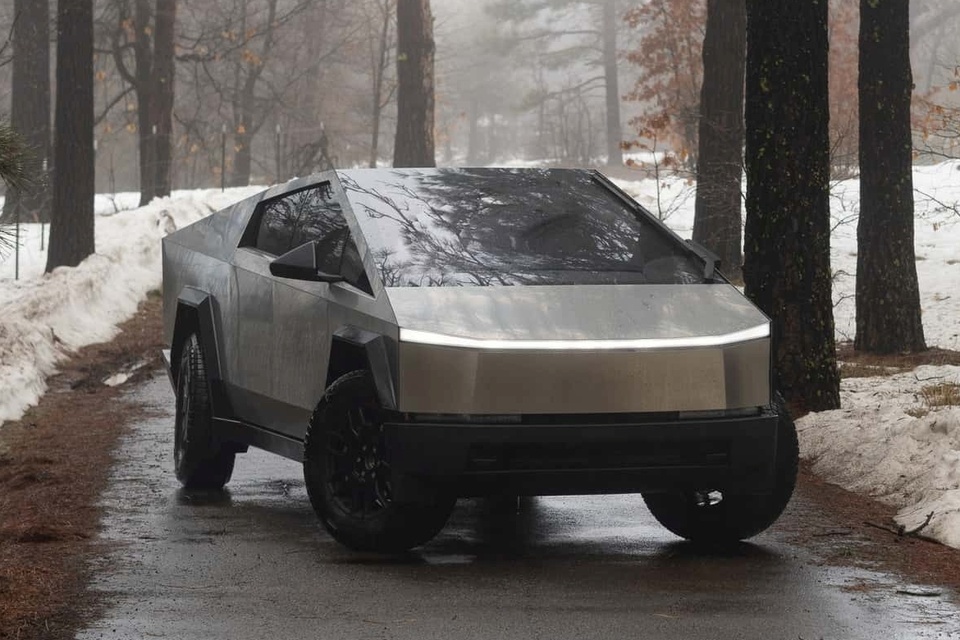
The Tesla Cybertruck, arguably the most polarizing vehicle launch in modern automotive history, continues its turbulent journey from futuristic concept to mass-market reality. While its stainless-steel exoskeleton and radical design have guaranteed attention, its market reception appears to be lukewarm, falling dramatically short of the ambitious projections set by CEO Elon Musk. Reports now indicate that a significant portion of the vehicle’s recent delivery figures comes not from individual consumer sales, but from bulk purchases made by Musk-controlled entities: the aerospace giant SpaceX and the artificial intelligence venture xAI. This strategy, while technically boosting Tesla’s delivery numbers, highlights the ongoing struggle to convert the initial hype into sustainable mainstream sales.
The Staggering Gap Between Hype and Reality
The delivery statistics for the Cybertruck paint a stark picture compared to the overwhelming initial pre-order frenzy. In the third quarter (Q3) of the fiscal year, Tesla managed to deliver only 5,385 Cybertrucks. This represents a substantial 63% decline when measured against the equivalent period the previous year, during which the automaker handed over 14,000 units. For the first nine months of the year, the total deliveries stood at a modest 16,000 vehicles.
This figure is alarmingly low when juxtaposed against Musk’s original, highly optimistic target of reaching an annual production and delivery rate of 250,000 units. According to analyses from industry publications like The Verge, Tesla is now expected to successfully deliver only around 20,000 Cybertrucks for the entire year, a fraction of the CEO’s initial guidance. The situation is compounded by a projected sharp slowdown in U.S. electric vehicle (EV) sales in the final quarter, particularly following the expiration of the $7,500 federal tax credit, which could further worsen the Cybertruck’s market performance.
A Segment Slowdown or a Product Issue?
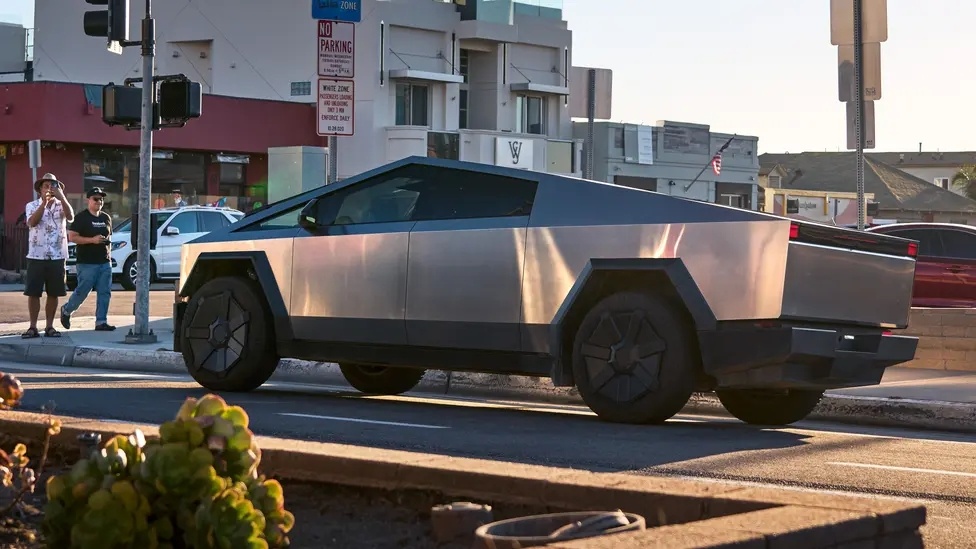
The challenges are not unique to the Cybertruck, as the electric pickup segment as a whole is showing signs of market saturation and demand stagnation. However, the Cybertruck’s performance trails its key competitor significantly. During Q3, the Ford F-150 Lightning maintained its segment leadership with 10,005 vehicles sold, nearly double the Cybertruck’s figure. Although Tesla’s offering outsold rivals from General Motors and the Rivian R1T, the gap between its current trajectory and Musk’s vision remains vast.
This is where the internal maneuvering comes into play. According to detailed reports from Electrek, a considerable and apparently essential boost to the Cybertruck’s delivery count is being supplied by Musk’s sprawling ecosystem of companies.

The Internal Acquisition Lifeline
In a move that has raised eyebrows among analysts, hundreds of Tesla Cybertrucks have reportedly been diverted for delivery to both SpaceX and xAI over the past few weeks. Sources indicate that Starbase, the primary rocket development and testing facility for SpaceX in Texas, has received hundreds of units, with expectations for "hundreds, if not thousands" more in the coming weeks and months. Similarly, xAI, the ambitious artificial intelligence startup, is also receiving vehicles to integrate into its operational fleet.
This strategy serves two crucial purposes for Tesla. First, it provides a much-needed, immediate injection into the delivery numbers, allowing the company to liquidate inventory that the consumer market has yet to fully embrace. Second, it rationalizes the purchases by positioning the Cybertruck as a rugged, utilitarian workhorse necessary for the unique operational environments of a rocket factory and a high-tech AI campus. Whether these companies genuinely need hundreds or thousands of stainless-steel pickup trucks, or if the procurement is a strategic financial mechanism to support a sister company, remains the subject of widespread debate.
Furthermore, Tesla is also moving to absorb unsold Cybertrucks into its own fleet. Reports suggest that the company is actively refreshing its internal mobile service fleet with the electric pickups, a plan that a Tesla technician confirmed was in the works as far back as August. By utilizing the vehicles internally, Tesla effectively takes them off the inventory list, helping to manage supply and demand imbalances without having to heavily discount the flagship product.
While the practice of a large corporate conglomerate utilizing internal resources to absorb product is not unprecedented, the scale and timing of these Cybertruck acquisitions underscore the significant difficulty Tesla is facing in moving the controversial truck in the consumer market. The initial excitement has been tempered by its steep price point, unique design, and ongoing production hurdles. Ultimately, while SpaceX and xAI provide a convenient, albeit unconventional, safety net for the Cybertruck’s short-term delivery targets, the truck’s long-term success will still depend on its ability to appeal to the general driving public.