
WASHINGTON, D.C. – The ongoing US government shutdown, initiated on October 1, has rapidly escalated from a budgetary crisis into a major controversy over executive authority. On October 14, the Trump administration confirmed the dismissal of 4,108 federal civil servants, a move widely deemed historically unprecedented during a government closure.
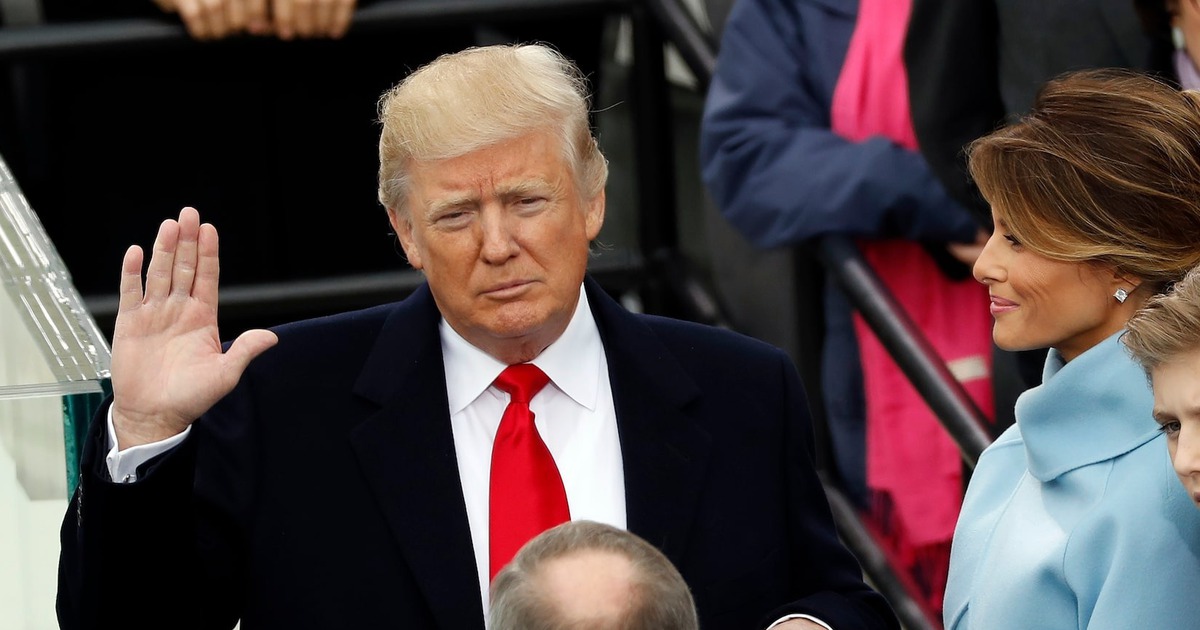
This figure, submitted in federal court filings by the Department of Justice, marked a definitive staff reduction that, though a small fraction of the overall federal workforce, carries massive symbolic and functional weight. The core dispute centers on the President's assertion that this reduction—the largest wave of public sector attrition since World War II—is necessary to force a political resolution.
The Weaponization of Staff Cuts
President Trump publicly cast blame squarely on the Democratic opposition in Congress, accusing them of "refusing to fund vital programs" and positioning the personnel cuts as the "only way to force them to act." This stance frames the dismissals as a strategic measure rather than a consequence of the budget freeze.
The immediate casualties are numerous federal agencies, including the FDA, the EPA, and the Department of Health and Human Services, which have been forced to suspend most non-essential operations. The direct result is a paralysis of critical public functions, ranging from disease monitoring and scientific research to the oversight of educational licensing.
Union Lawsuits and the "Essential Services" Clash
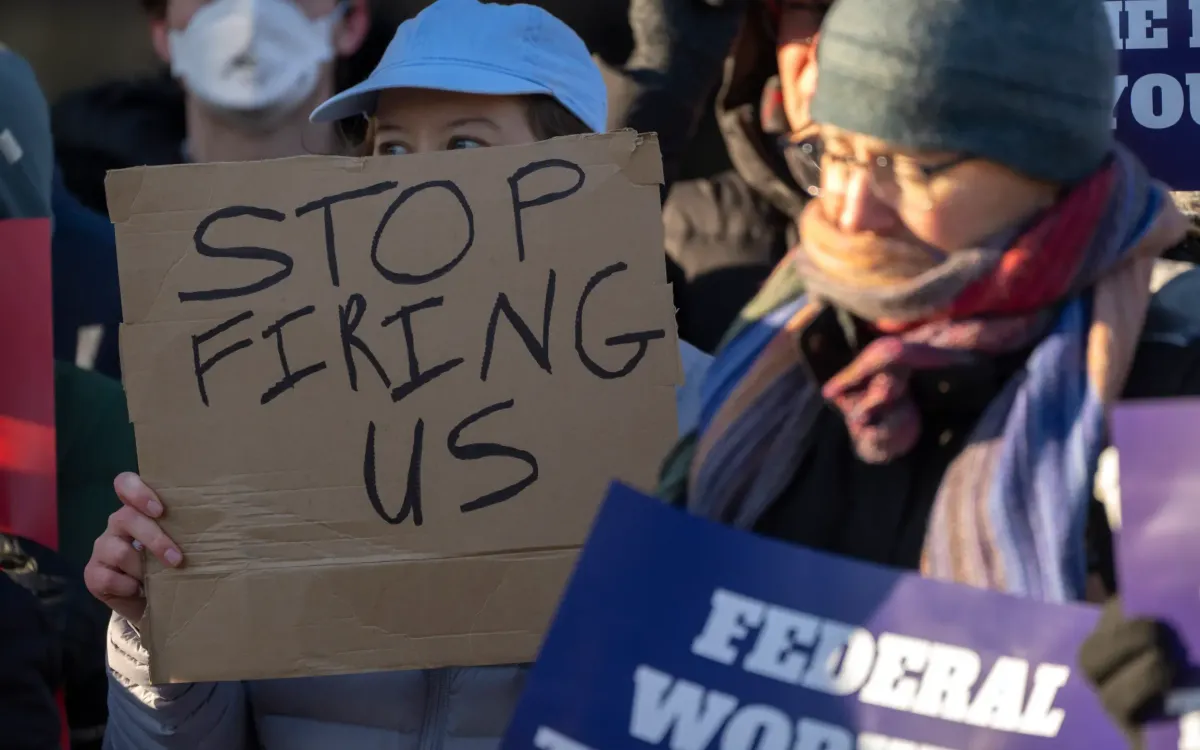
The response from organized labor has been swift and aggressive. Several federal employee unions, led by the American Federation of Government Employees (AFGE), have launched legal challenges against the administration. They contend that the firings violate federal budget law, which strictly mandates the continuity of "essential services" during a shutdown.
AFGE President Everett Kelley issued a stark warning, characterizing the forced reduction as a "purge" of the civil service. Kelley argued that such coercive measures would inflict "severe consequences" on millions of Americans who depend on the stability and operation of the government's administrative capacity.
Restructuring the System: Central Mission or Overreach?
The crisis is intertwined with the administration's aggressive reform agenda. On September 30, the administration rolled out a controversial "deferred resignation" program, a scheme that allowed over 100,000 federal workers to voluntarily take paid leave for up to eight months.
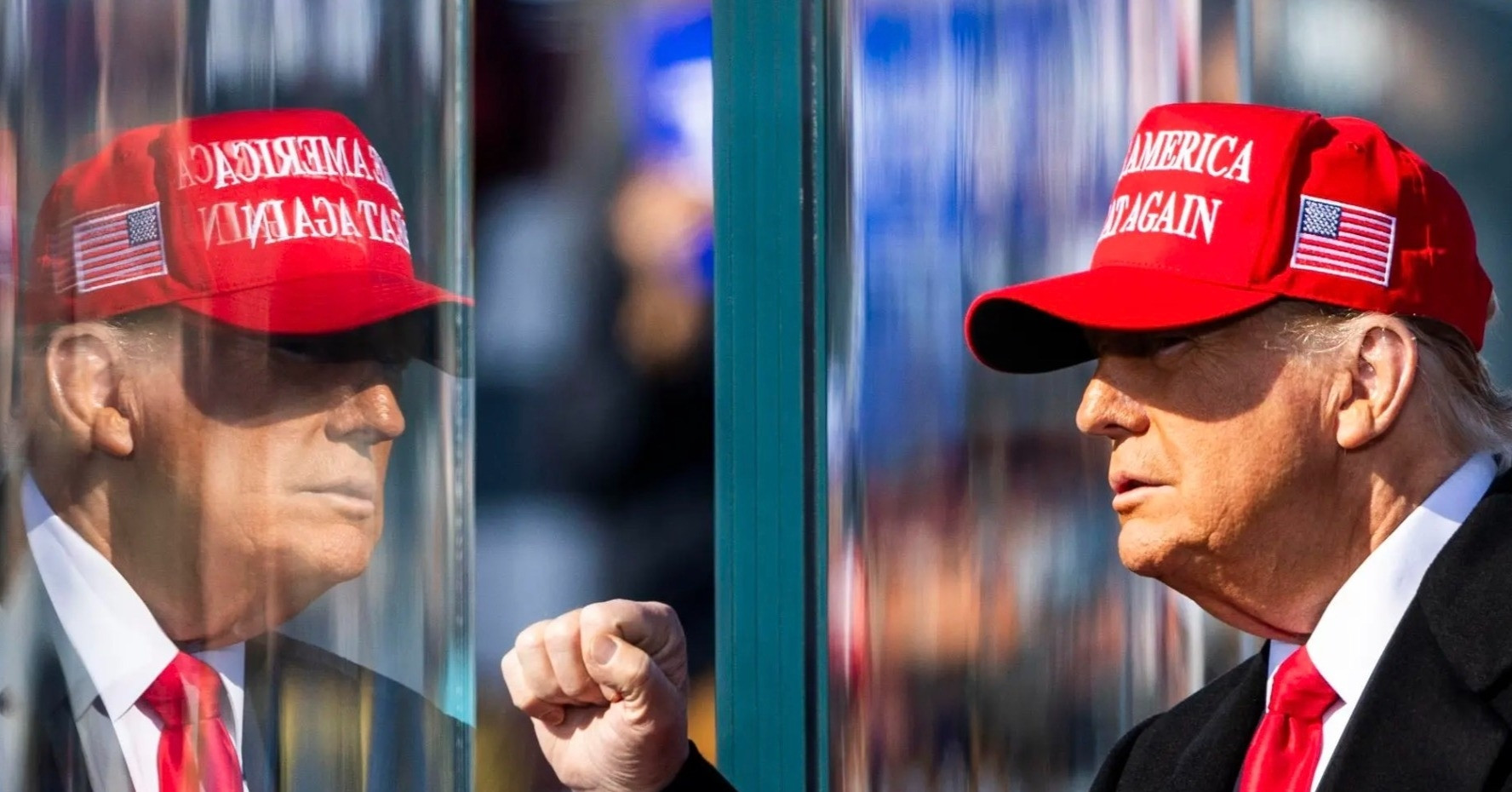
While proponents claim this massive organizational "streamlining" could save $28 billion annually, critics cite a Democratic Senate report estimating the program's initial cost at $14.8 billion. When accounting for early retirements, forced dismissals, and voluntary departures, estimates suggest up to 275,000 employees could leave federal service by 2025.
Amid rising national unemployment (4.3% in August 2025), the mass public sector attrition is not just paralyzing the administrative apparatus; it is intensifying a profound constitutional debate. Lawmakers protesting the move, such as Representative Don Beyer (D-Virginia), denounced the actions as "destroying the livelihoods of civil servant families." Ultimately, the crisis raises crucial questions about the limits of executive authority, particularly as President Trump has identified the deep restructuring of the federal civil service as a "central mission" of his second term.