
CHICAGO – The Caleb Williams era in Chicago is underway, and while the rookie quarterback has shown flashes of the generational talent he was touted to be, the harsh realities of the NFL have exposed significant gaps in the roster surrounding him. To accelerate Williams’ development and fulfill their long-awaited promise to the fanbase, speculation is intensifying that the Chicago Bears are poised to make a blockbuster trade—potentially sending future draft capital for an established veteran weapon or an elite offensive lineman. The move would signal an aggressive shift from rebuilding to competing, betting heavily on Williams’ ability to utilize top-tier talent immediately.
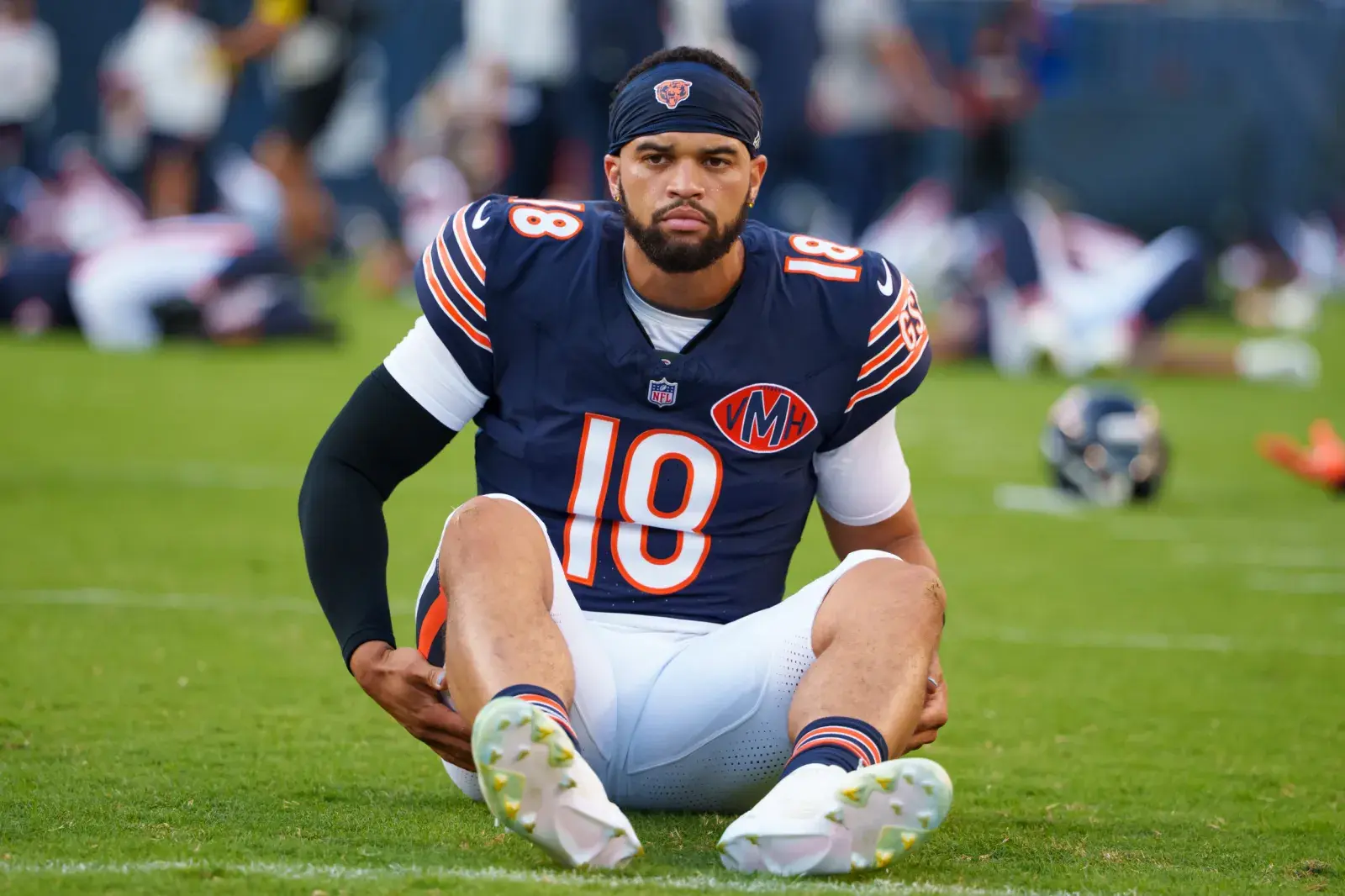
The urgency stems from the Bears' front office philosophy: protect the investment. Williams, the undisputed cornerstone of the franchise, needs a stable environment to thrive, which means providing him with targets that consistently win outside and protection that keeps him upright against elite pass rushes. The current receiving corps and offensive line, while adequate in some spots, lack the proven, game-changing presence required to elevate a rookie quarterback from promising to proficient.
The Strategic Need: A True X-Factor
The Bears’ offense, despite showing marginal improvement, remains inconsistent in creating explosive plays. This deficiency is directly addressed by the trade rumors. The most likely targets fall into two high-value categories: a certified Tier 1 Wide Receiver or an Elite Offensive Tackle.
A trade for an established, veteran wide receiver—perhaps a disgruntled star on a struggling team—would provide Williams with an immediate, reliable safety blanket. This kind of receiver not only consistently gains separation but also draws attention away from other targets, simplifying coverages for the young quarterback. The immediate psychological boost for Williams, knowing he has a dependable, Pro Bowl-caliber player to target when the play breaks down, is invaluable.
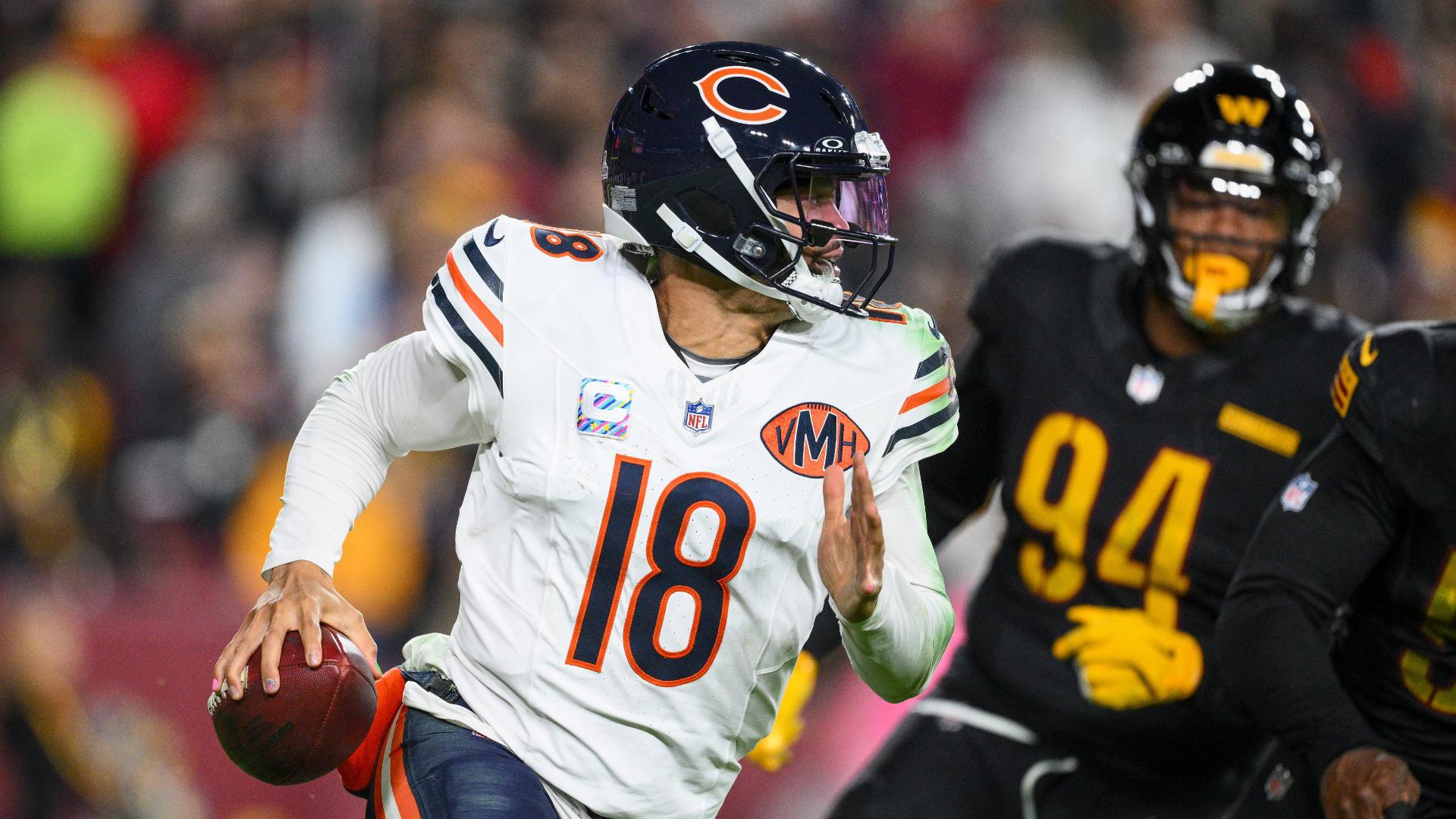
Alternatively, addressing the offensive line remains a crucial priority. While protecting the quarterback is paramount, acquiring an elite offensive tackle, especially one who can anchor the blind side, stabilizes the entire offense. It allows the coordinator to expand the playbook, run more sophisticated protections, and avoid the necessity of keeping extra blockers in, thereby freeing up more players to run routes.
"You can't pay a king's ransom for a young QB and then ask him to be a magician behind a leaky line," notes football analyst Gene Smith. "The trade needs to be for the trench. If Williams has time, he will find open receivers. If he doesn't, the talent doesn't matter."
The Cost of Acceleration: Draft Capital and Future Debt
The primary issue confronting the Bears is the cost of such a "blockbuster" move. Unlike teams mortgaging their future for a final Super Bowl push, Chicago is seeking to accelerate a nascent rebuild. Trading away significant draft picks—likely a first-rounder and a mid-round pick—means sacrificing valuable, cost-controlled talent for the next few years.
This decision rests on the belief in Caleb Williams. If Williams lives up to his potential, the loss of a future first-round pick becomes negligible; a franchise quarterback makes every other player on the roster better. However, if the trade target underperforms or the team misses the playoffs despite the acquisition, the Bears will have sacrificed both the present opportunity and future flexibility, plunging the team back into a deeper hole.
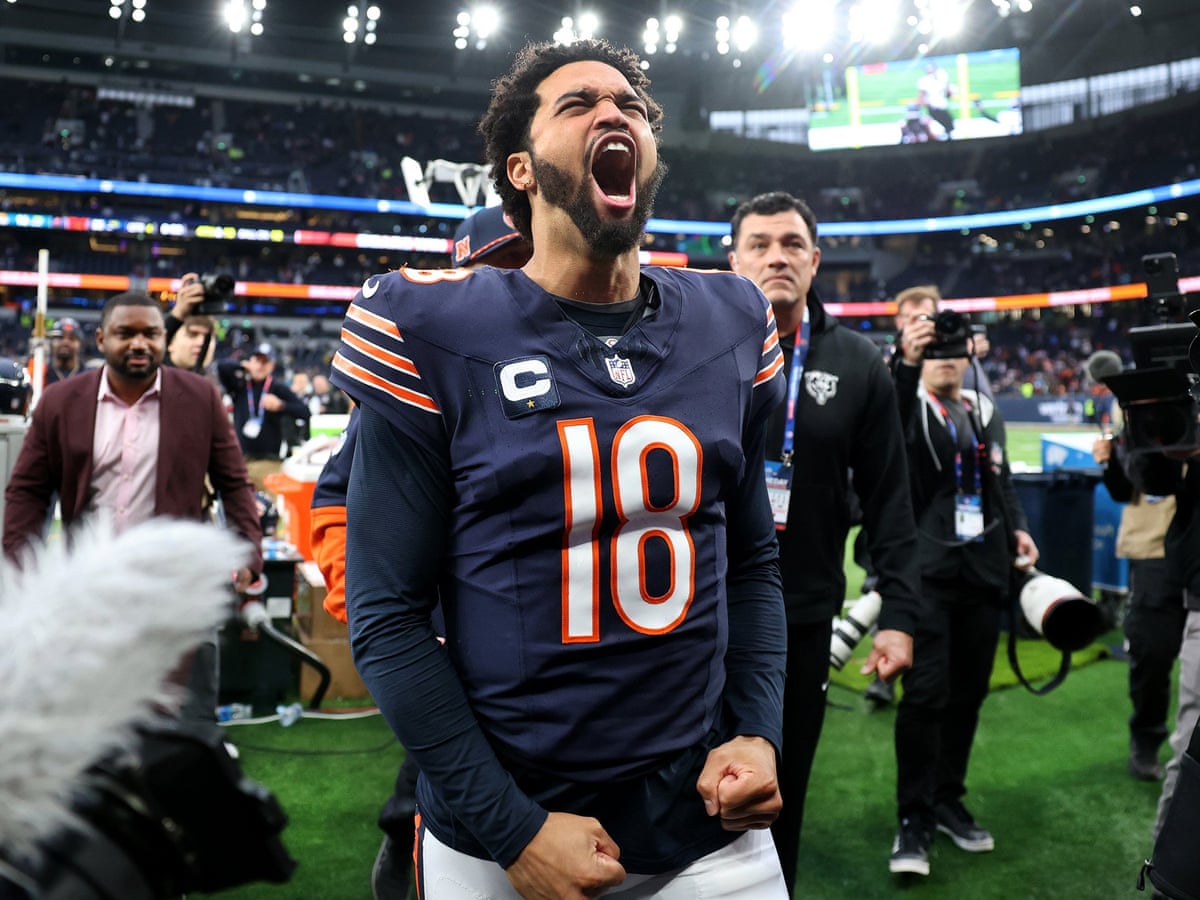
The front office must be meticulously calculating the risk. Trading for a proven veteran on a large contract also impacts the team’s long-term salary cap health, potentially hindering their ability to retain other young stars who develop alongside Williams.
The Williams Factor: A Defining Trade
Ultimately, any major trade hinges on what the Bears believe Caleb Williams needs most right now. Is it the security of a dominant offensive line to allow him to process the game slowly, or the undeniable talent of a top receiver to compensate for his current rookie growing pains?
A trade of this magnitude would be more than just a roster change; it would be a foundational statement. It is the Bears’ way of declaring to the league and to their quarterback that they are all-in on his success, willing to pay the highest price to ensure he has the tools necessary to become the franchise player they drafted him to be. The move could be the catalyst that launches the Bears into contention, or it could be the crippling debt that haunts the next decade if the gamble doesn't pay off.