

Introduction:
When History Takes the Stage: Alabama and the Meaning of Super Bowl 2026
The upcoming Super Bowl in 2026 is shaping up to be far more than a championship football game. While the event has long been famous for its dazzling halftime spectacles, this particular year promises something deeper—something that resonates beyond entertainment. When the legendary country band Alabama steps onto the halftime stage, it will represent more than a performance. It will represent a moment of reflection for American music itself.
For decades, the halftime show has been defined by scale and spectacle. Massive lighting rigs, explosive choreography, and high-tech visuals have become the norm, creating performances designed to overwhelm the senses. Yet the anticipated 2026 performance signals a shift in tone. Instead of relying on sheer spectacle, the power of the moment will come from authenticity—music that has endured across decades and generations.
Alabama's presence marks something rarely seen on this stage: a full celebration of country music's heritage at the center of the world's most-watched broadcast. This is not simply nostalgia revisited for entertainment value. It is recognition. Recognition of a band whose songs helped shape the modern country genre, bridging the gap between small-town storytelling and stadium-sized audiences.

When the first notes echo through the stadium, the moment will carry a gravity that no production effect can manufacture. These are songs that audiences already know—songs that have traveled through family road trips, late-night radios, and quiet moments of reflection. The band's harmonies, instantly recognizable yet timeless, will feel less like a reunion and more like a continuation of a musical journey that began decades ago.
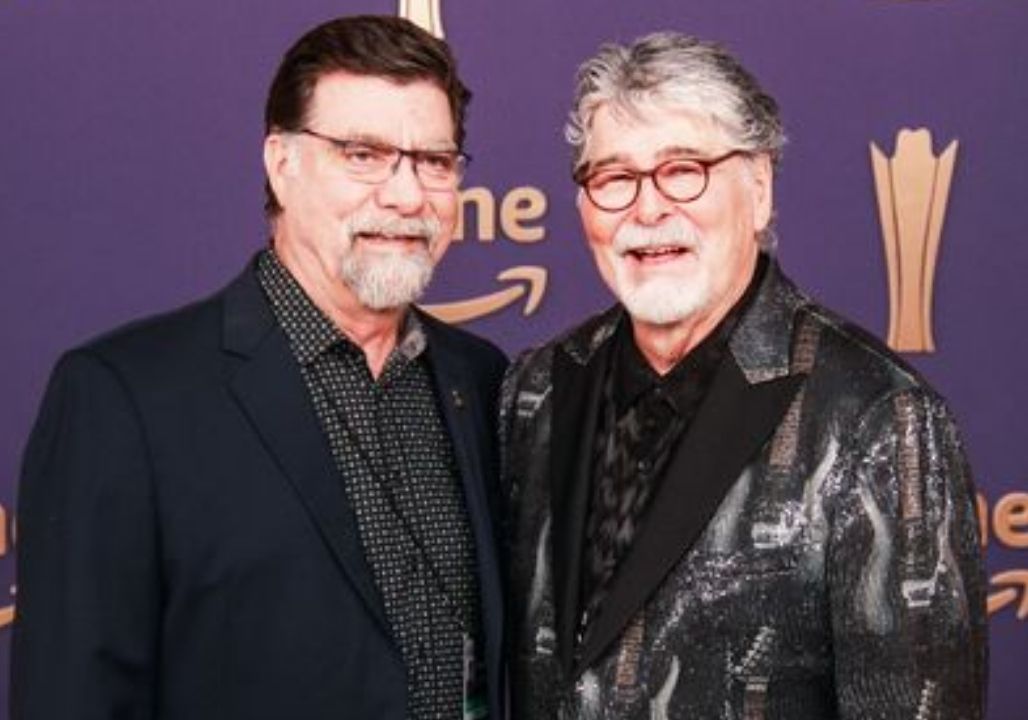
At the heart of that moment stands Randy Owen, whose voice has long symbolized steadiness rather than spectacle. Owen's presence does not demand attention through theatrics. Instead, it commands respect through authenticity. For years, his voice has carried stories about home, resilience, loyalty, and the quiet strength found in everyday life. On a stage usually built for explosive energy, that grounded sincerity may prove even more powerful.
What makes this performance historic is not only who is performing, but what they represent. Alabama helped bring country music into arenas and stadiums without sacrificing its heart. They demonstrated that storytelling could grow larger without losing its intimacy. Their music proved that songs rooted in ordinary experiences could fill enormous spaces while still feeling personal.
On the night of the Super Bowl, millions of viewers around the world will tune in. Some will watch for the football game. Others will watch for the tradition of the halftime show. Yet many may find themselves experiencing something unexpected—a reminder of where American music has come from and why it continues to matter.

Because when Alabama performs, the music does not rush the audience forward. Instead, it invites them to pause and remember. To remember the stories behind the songs, the generations who grew up with them, and the emotional truths that have kept them alive for so long.
In that sense, Super Bowl 2026 will not simply showcase Alabama.
It will listen to them.
And in doing so, it will honor a truth that has always defined country music: its greatest power has never been trend or spectacle, but authenticity—stories sung honestly, carried forward year after year.
On that stage, history will not shout.
It will resonate.